
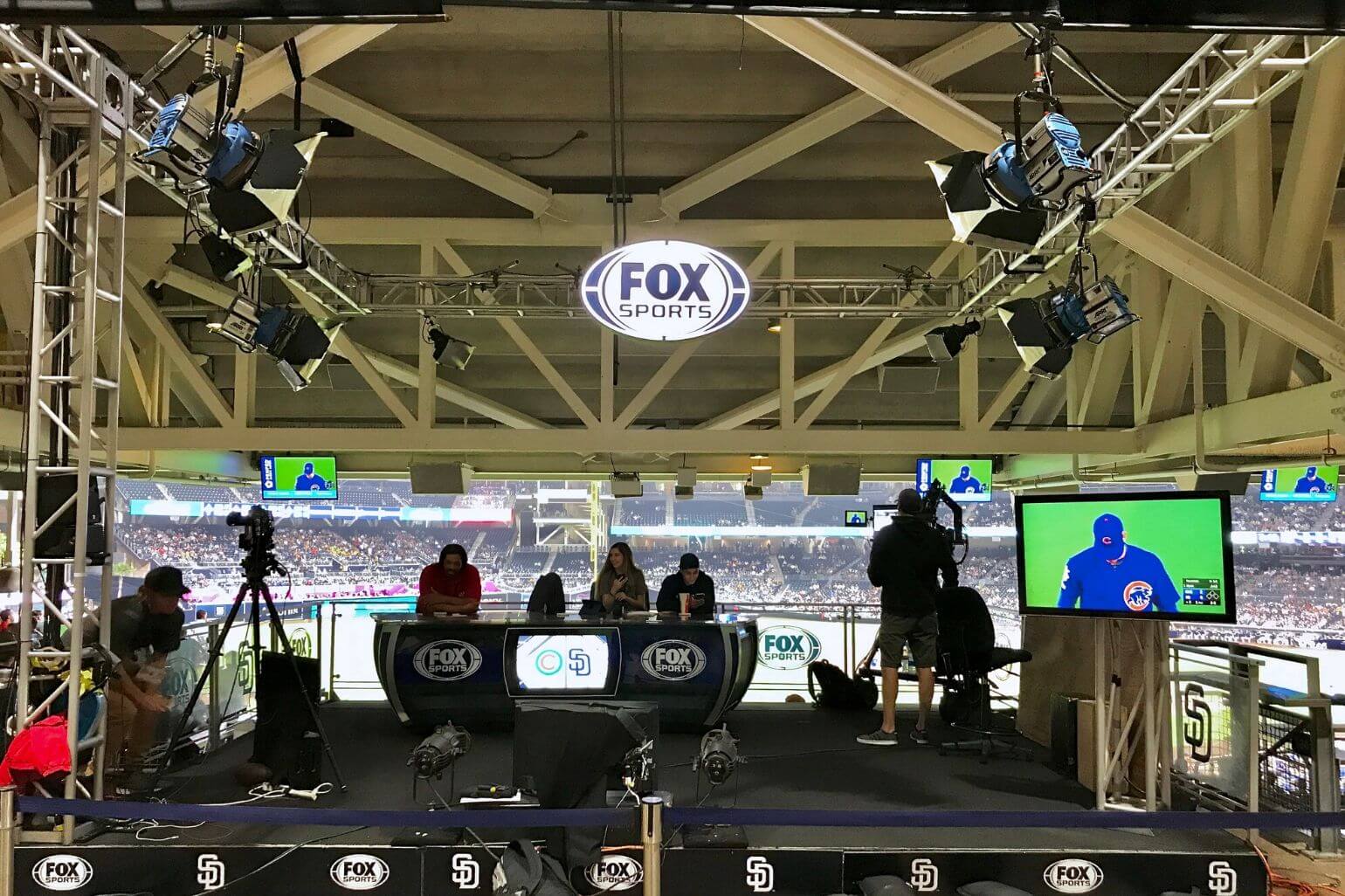


Sports broadcasting 일본 스포츠 중계 is an engaging and ever-evolving domain that necessitates a fusion of technical prowess, creativity, and profound insight into the sports realm. With sports events growing in complexity and fans craving heightened engagement, broadcasters must pioneer innovative approaches. This guide delves into the fundamental methodologies and tactics to thrive in the realm of sports broadcasting.
Introduction to Sports Broadcasting
Sports broadcasting involves providing live coverage and commentary of sporting events to audiences across television, radio, and online platforms. This includes the crucial roles of play-by-play announcers, color commentators, and sideline reporters, among other key contributors.
The Role of a Sports Broadcaster
Play-by-Play Announcer
The play-by-play announcer delivers a meticulous, real-time narration of the unfolding events, capturing each moment with precision. This position requires a profound grasp of the sport, agile decision-making, and exceptional verbal acumen.
Color Commentator
The color commentator enhances the play-by-play announcer’s commentary by offering expert analysis, background insights, and in-depth knowledge of the game. Typically, they bring firsthand experience as a former athlete or coach to their role.
Sideline Reporter
The sideline reporter provides field updates, such as player interviews, injury reports, and insightful on-the-ground information that enriches the broadcast.
Pre-Game Preparation
Research and Analysis
Thorough research is crucial for sports broadcasters. This involves studying team statistics, player profiles, recent game performances, and historical data. Preparation ensures that broadcasters can provide accurate and insightful commentary.
Scriptwriting
While much of sports broadcasting is impromptu, having a prepared script helps structure the broadcast. Key points, interesting facts, and essential statistics should be outlined beforehand.
Technical Aspects of Broadcasting
Equipment Setup
A successful broadcast relies on high-quality equipment. This includes microphones, cameras, headsets, and mixing consoles. Ensuring that all equipment is properly set up and tested before the broadcast is essential.
Camera Angles and Positions
Selecting optimal camera angles and positions is crucial for effectively capturing the action. Placing multiple cameras strategically throughout the venue ensures comprehensive coverage.
Audio Quality
Selecting optimal camera angles and positions is crucial for effectively capturing the action. Placing multiple cameras strategically throughout the venue ensures comprehensive coverage.
During the Game
Real-Time Commentary
Delivering real-time commentary requires quick thinking and the ability to describe events as they happen. Broadcasters must stay engaged and responsive to the unfolding action.
Engaging the Audience
Captivating the audience entails more than mere action description. Broadcasters must engage viewers via social media, actively address live comments, and integrate audience perspectives into the broadcast.
Utilizing Replays
Replays play a vital role in emphasizing pivotal moments and offering detailed analysis. Collaboration between broadcasters and the production team is crucial to ensure a timely and effective display of replays.
Post-Game Analysis
Summarizing the Event
After the game, broadcasters should provide a comprehensive summary of the event. This includes key moments, standout performances, and critical turning points.
Interviews and Insights
Post-game interviews with players and coaches add valuable insights to the broadcast. These interviews should be conducted professionally and focus on gaining thoughtful responses.
Advanced Broadcasting Techniques
Virtual and Augmented Reality
Integrating virtual and augmented reality can elevate the viewing experience, empowering broadcasters to deliver in-depth analyses and interactive features that captivate audiences.
Data Analytics
Using data analytics can provide deeper insights into game strategies and player performances. Broadcasters should leverage data to offer informed and nuanced commentary.
Social Media Integration
Incorporating social media into broadcasts enables real-time audience interaction. Broadcasters leverage platforms such as Twitter, Facebook, and Instagram to engage with fans and integrate their valuable feedback seamlessly.
Challenges in Sports Broadcasting
Dealing with Technical Difficulties
Technical difficulties are an inevitable part of live broadcasting. Broadcasters should be prepared to handle issues promptly and maintain a professional demeanor.
Maintaining Objectivity
Maintaining objectivity is crucial for credibility. Broadcasters should avoid favoritism and provide balanced coverage, respecting both teams and all players.
Managing High-Pressure Situations
Sports broadcasting frequently entails high-pressure scenarios, particularly during pivotal game moments. Broadcasters are required to exude composure, concentration, and eloquence amidst such pressure.
Conclusion
Sports broadcasting is an exhilarating and multi-faceted vocation demanding a fusion of technical expertise, profound sports acumen, and the knack for audience engagement. By honing the techniques delineated in this manual, broadcasters can present riveting and immersive sports narratives that enthrall fans, enriching their viewing pleasure.