
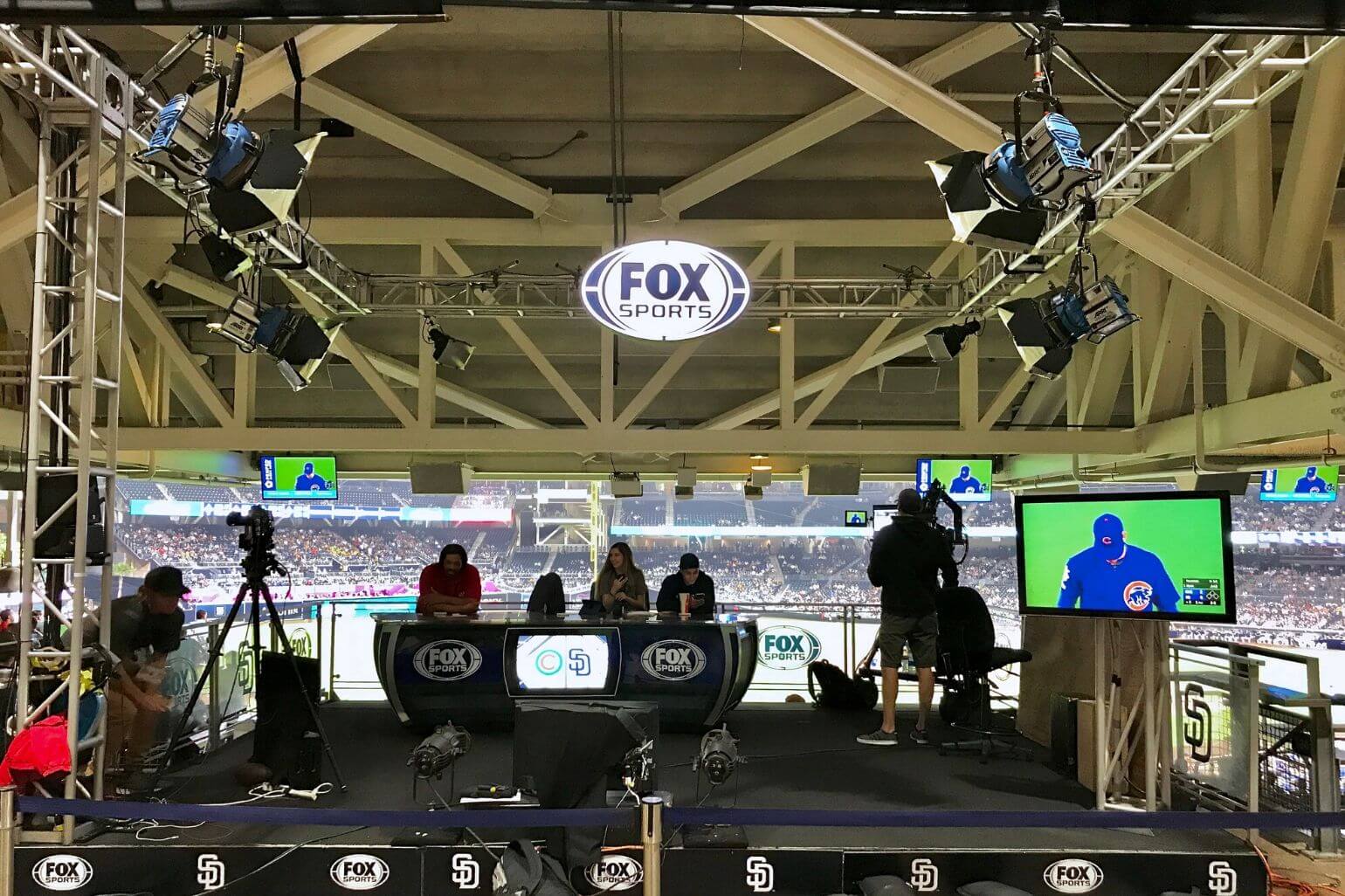


In the ever-evolving landscape of sports broadcasting 해외축구중계, enhancing viewer experience is paramount. One effective way to achieve this is by adding closed captions to broadcasts. Closed captions not only improve accessibility but also provide numerous benefits that can enhance engagement, retention, and overall viewer satisfaction. In this article, we will explore the top benefits of incorporating closed captions into your sports broadcasts, examining their impact on various aspects of the viewing experience.
What Are Closed Captions?
Closed captions are text overlays that appear on the screen during a video broadcast, displaying a transcription of the spoken dialogue and relevant sound effects. Unlike traditional subtitles, which are primarily for translating dialogue into different languages, closed captions also include descriptions of non-verbal audio cues, such as sound effects, background noise, and speaker identification. This makes them an essential tool for ensuring that all viewers, regardless of hearing ability, can enjoy and understand the content.
Benefits of Adding Closed Captions
1. Improved Accessibility for All Viewers
Closed captions are crucial for viewers who are deaf or hard of hearing. By providing a textual representation of the audio, closed captions allow these individuals to fully engage with the broadcast. However, accessibility extends beyond just the deaf community. Many people prefer watching videos with captions for various reasons, including:
- Noise Reduction: In environments where sound cannot be played (like public transport or quiet offices), captions allow viewers to follow along without disturbing others.
- Language Barriers: Non-native speakers can benefit from reading captions while listening to the audio, improving comprehension and language skills.
2. Increased Audience Engagement
Studies have shown that viewers are more likely to engage with content that includes closed captions. By providing an additional layer of information, captions can capture viewers’ attention and encourage them to stay engaged for longer. The benefits of increased engagement include:
- Higher Retention Rates: Viewers are more likely to remember the content they watched when captions are present, as the combination of visual and auditory information reinforces learning.
- Social Media Sharing: Captions can enhance the shareability of broadcasts on social media platforms, as viewers are more likely to share videos that they can understand and engage with.
3. Enhanced Comprehension of Content
Closed captions aid in the comprehension of complex sports terminology, commentary, and analysis. For many viewers, especially those new to a sport, understanding jargon and rapid commentary can be challenging. Closed captions provide:
- Clarification of Terminology: Key terms and phrases can be displayed in real time, helping viewers grasp the nuances of the game.
- Improved Focus: With captions, viewers can better concentrate on the content without missing crucial information, even if they momentarily lose track of the audio.
4. Boosting Brand Image and Reputation
Adding closed captions demonstrates a commitment to inclusivity and accessibility, enhancing your brand’s image. This focus on accommodating all viewers can improve your reputation and strengthen viewer loyalty. Benefits include:
- Positive Public Relations: Companies that prioritize accessibility are often viewed favorably by the public, leading to increased goodwill and brand loyalty.
- Attracting a Broader Audience: By catering to diverse audiences, your broadcasts can reach new demographics, expanding your viewership base.
5. Improved SEO and Discoverability
Closed captions can enhance your broadcast’s search engine optimization (SEO) efforts. Search engines are increasingly sophisticated in their ability to index and analyze video content. Benefits include:
- Keyword Integration: Captions provide a textual representation of the audio, allowing search engines to index relevant keywords and phrases, improving the chances of your content appearing in search results.
- Increased Visibility: Videos with closed captions are more likely to be shared and embedded on websites, further increasing their visibility and reach.
6. Adaptability for Different Platforms
Closed captions are highly adaptable and can be used across various platforms and devices. Whether viewers are watching on television, mobile devices, or streaming platforms, closed captions enhance the viewing experience regardless of the medium. Advantages include:
- Multi-Platform Compatibility: Closed captions can be easily integrated into different broadcasting formats, ensuring a consistent experience across platforms.
- Responsive Design: Many modern video players allow for customizable caption settings, enabling viewers to adjust the size, color, and font of the captions to suit their preferences.
7. Real-Time Engagement and Interaction
Incorporating closed captions can facilitate real-time engagement during live broadcasts. Viewers can participate in discussions, comment, and share insights while following along with the captions. This interactive element can lead to:
- Increased Social Media Interaction: As viewers engage in conversations about the broadcast on social media, captions help ensure everyone is on the same page, promoting lively discussions.
- Enhanced Community Building: By fostering interaction among viewers, captions can contribute to building a strong community of fans around your sports broadcasts.
Implementing Closed Captions in Your Sports Broadcasts
To maximize the benefits of closed captions in your sports broadcasts, consider the following steps:
1. Choose the Right Technology
Select a reliable captioning service or software that can efficiently generate and display closed captions in real time. Ensure that the technology is compatible with your broadcasting setup and supports various file formats.
2. Use Professional Captioners
For the highest quality captions, consider hiring professional captioners who understand sports terminology and can accurately transcribe commentary and sound effects. This will help maintain the integrity and accuracy of the captions.
3. Test and Optimize Caption Settings
Before going live, test the caption settings to ensure they are displayed correctly on different devices and platforms. Optimize the font size, color, and positioning to enhance readability and visibility.
4. Promote the Availability of Closed Captions
Make viewers aware that closed captions are available for your broadcasts. Promote this feature through your marketing channels, encouraging viewers to utilize captions for an enhanced experience.
5. Gather Viewer Feedback
Encourage viewers to provide feedback on the closed captions and make adjustments based on their suggestions. This can help you improve the captioning process and enhance the overall viewer experience.
Conclusion
Incorporating closed captions into sports broadcasts is more than just a compliance measure; it is a powerful tool for enhancing viewer experience, engagement, and accessibility. By providing a more inclusive viewing environment, broadcasters can attract a broader audience and foster loyalty among existing viewers. The benefits of closed captions—improved accessibility, increased engagement, better comprehension, enhanced brand reputation, improved SEO, adaptability across platforms, and real-time interaction—make a compelling case for their implementation. As we move towards a more inclusive future in sports broadcasting, closed captions will play a vital role in ensuring that everyone can enjoy and participate in the excitement of live sports.
In conclusion, closed captions are not just a feature; they are an essential part of modern sports broadcasting. By taking the steps to implement and promote closed captions, we can create a more inclusive and engaging experience for all viewers, ultimately elevating the quality of sports broadcasts.